Not unlike a lot of death metal, contending with the better is usually only a matter of locating their earliest albums. Its not any different with Cryptopsy.
But it does get difficult actually figuring out their best and most prime real estate. Because honestly when it comes to Blasphemous Made Flesh and None so vile…, or even Whisper Supremacy into and Then You’ll Beg.
But for me I think None so Vile… does take the cake. The historical album art alone, is worth the cover price I think.
When I listen to later Cryptopsy its kind of like listening to modern day Decapitated. They took the heart and soul of the band, and absolute desecrated it with gimmicky and contendable core elements. The kind of nonsense our adolescent and youth gobble up like thanksgiving dinner.
How or why do I like Lord Worm vocals? I would equally ask how can I not like his vocals. Its almost hilarious to listen to it today, but hysterics aside I just love it. Its raw and primitive and unrelenting. I think of the early vocal work from DJ in Living Sacrifice, from Inhabit and Nonexistent. Almost unthinkable to imagine actually coherent and any decipherable words/lyrics being annunciated and said.
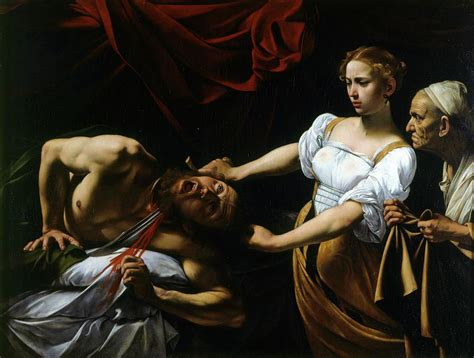
The painting used on None So Vile is Judith Beheading Holofernes by Caravaggio, created around 1598–1599.
The Biblical Story Behind It
The scene comes from the Book of Judith (found in the Catholic and Orthodox Old Testament; considered apocryphal by many Protestants).
The Context
- The Assyrian general Holofernes is besieging the Jewish city of Bethulia.
- The people are close to surrendering.
- A widow named Judith, known for her beauty and devotion to God, decides to act.
Judith’s Plan
- She dresses beautifully and enters the enemy camp.
- She charms Holofernes and gains his trust.
- He becomes drunk during a feast.
- When he passes out in his tent, Judith prays for strength…
- Then she takes his sword and beheads him.
She brings his head back to her people, and the Assyrian army panics and flees.
It’s a story of:
- Faith
- Courage
- Deliverance through unexpected means
- God using the weak to overcome the powerful
What’s Happening in Caravaggio’s Version
Caravaggio captures the exact moment of execution.
Notice:
- Judith looks both determined and slightly disturbed — she’s not portrayed as enjoying it.
- Holofernes is very alive in that instant — his face shows shock and agony.
- The old maidservant waits with a sack to carry the head.
- The lighting is dramatic — harsh light against deep darkness (classic Caravaggio chiaroscuro).
Caravaggio makes it intensely human:
- Blood is real.
- Emotion is real.
- The violence isn’t romanticized.
It feels immediate, almost cinematic.